Workshop Photos
AI is ordinary and hidden.
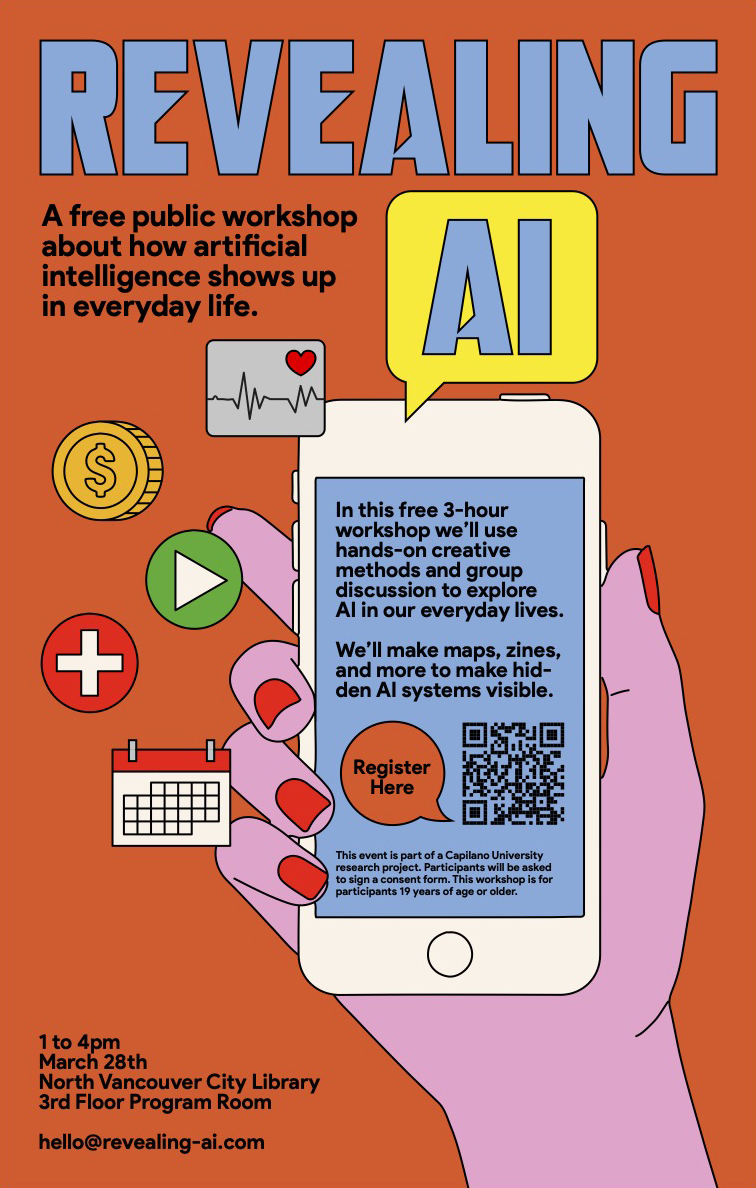
On March 28, Revealing AI brought participants together for a free 3-hour public workshop at the North Vancouver City Library, exploring how AI shapes as data subjects. Through discussion, speculative methods, and hands-on creative activities we worked together to make hidden AI visible.
What is AI?
“Rather, artificial intelligence is both embodied and material, made from natural resources, fuel, human labor, infrastructures, logistics, histories, and classifications.”
Where is AI?
What is Revealing AI?
Revealing AI is a research project led by Sarah O’Sullivan and Mathew Arthur from Capilano University. AI is embedded in everyday life and ordinary routines—from entertainment and banking to healthcare and hobbies. Because it is hidden, it often escapes accountability. We are shaped as data subjects and our actions are captured, analyzed, and used to determine future choices. Revealing AI experiments with making hidden AI visible.
Examples of Hidden AI
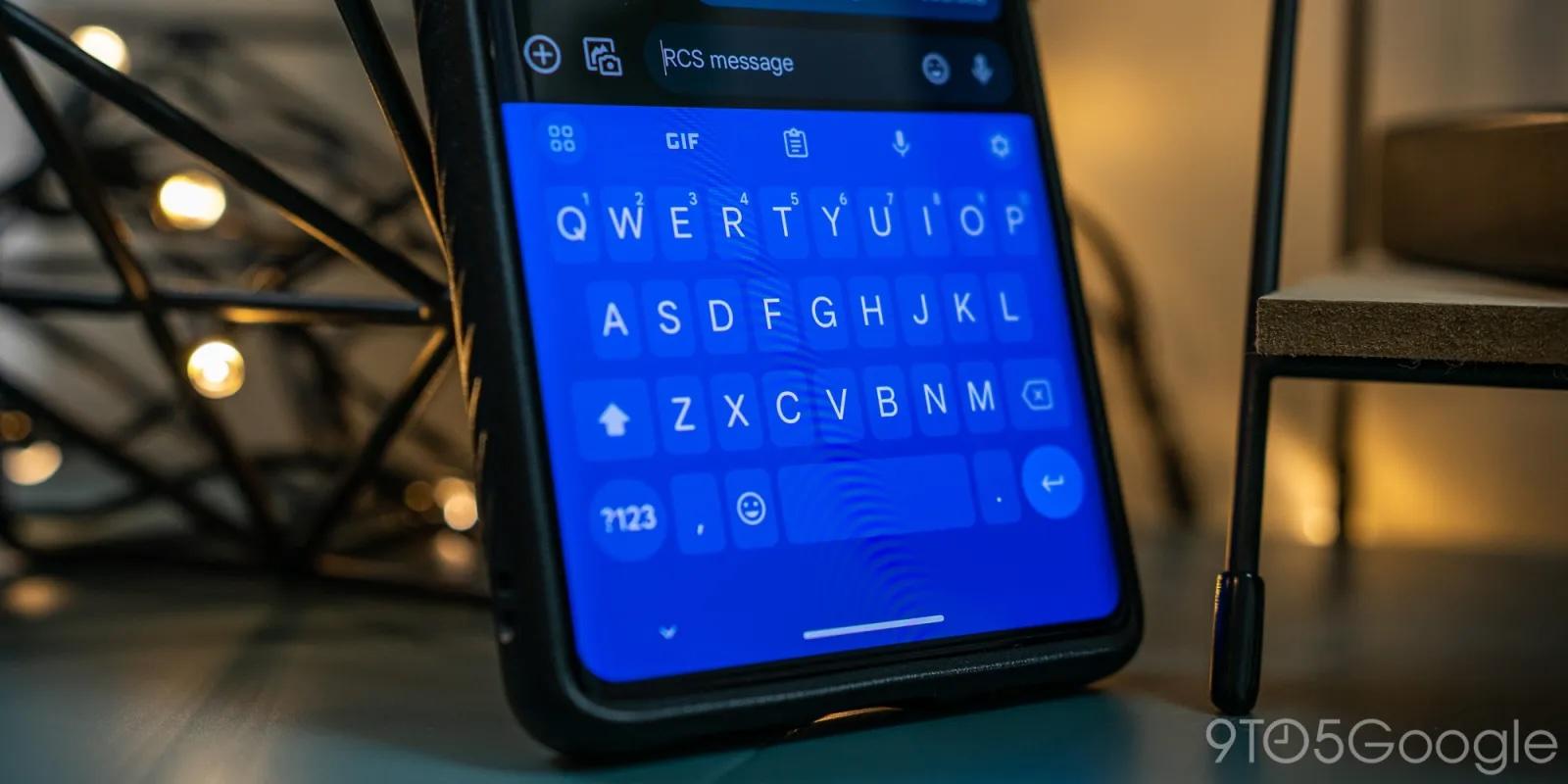 Predictive text and autocorrect
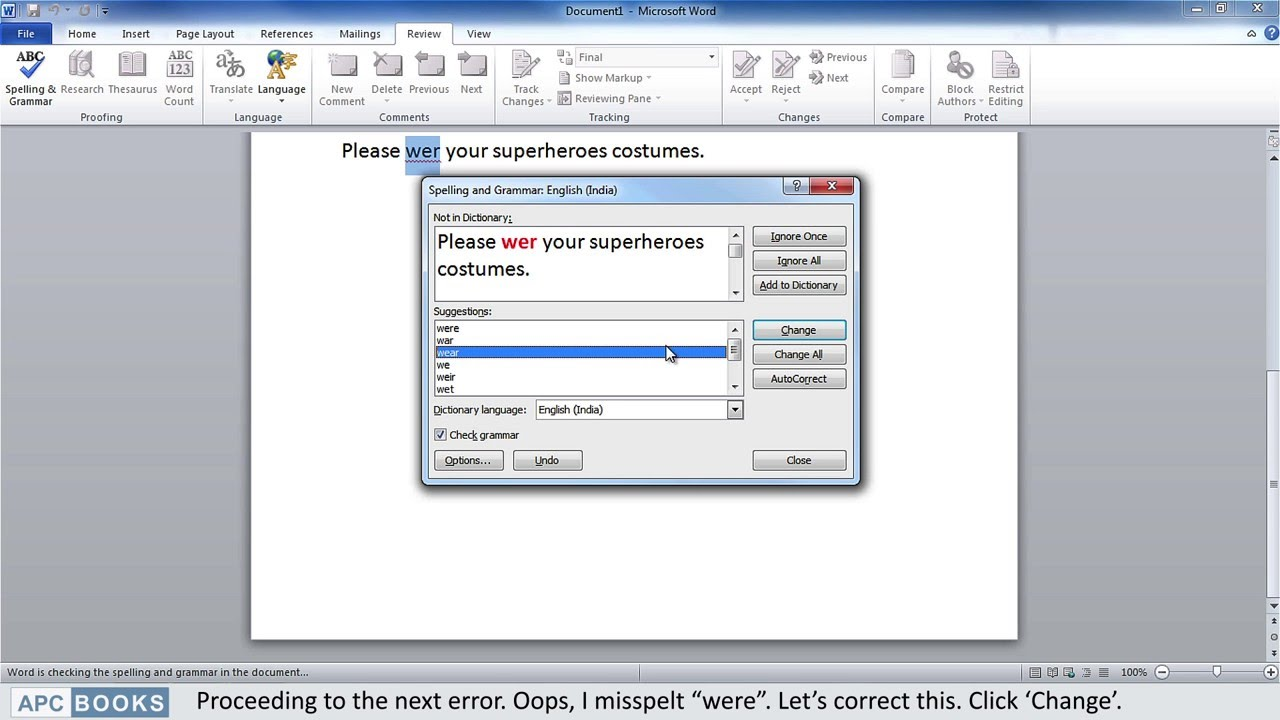 Spelling and grammar checkers
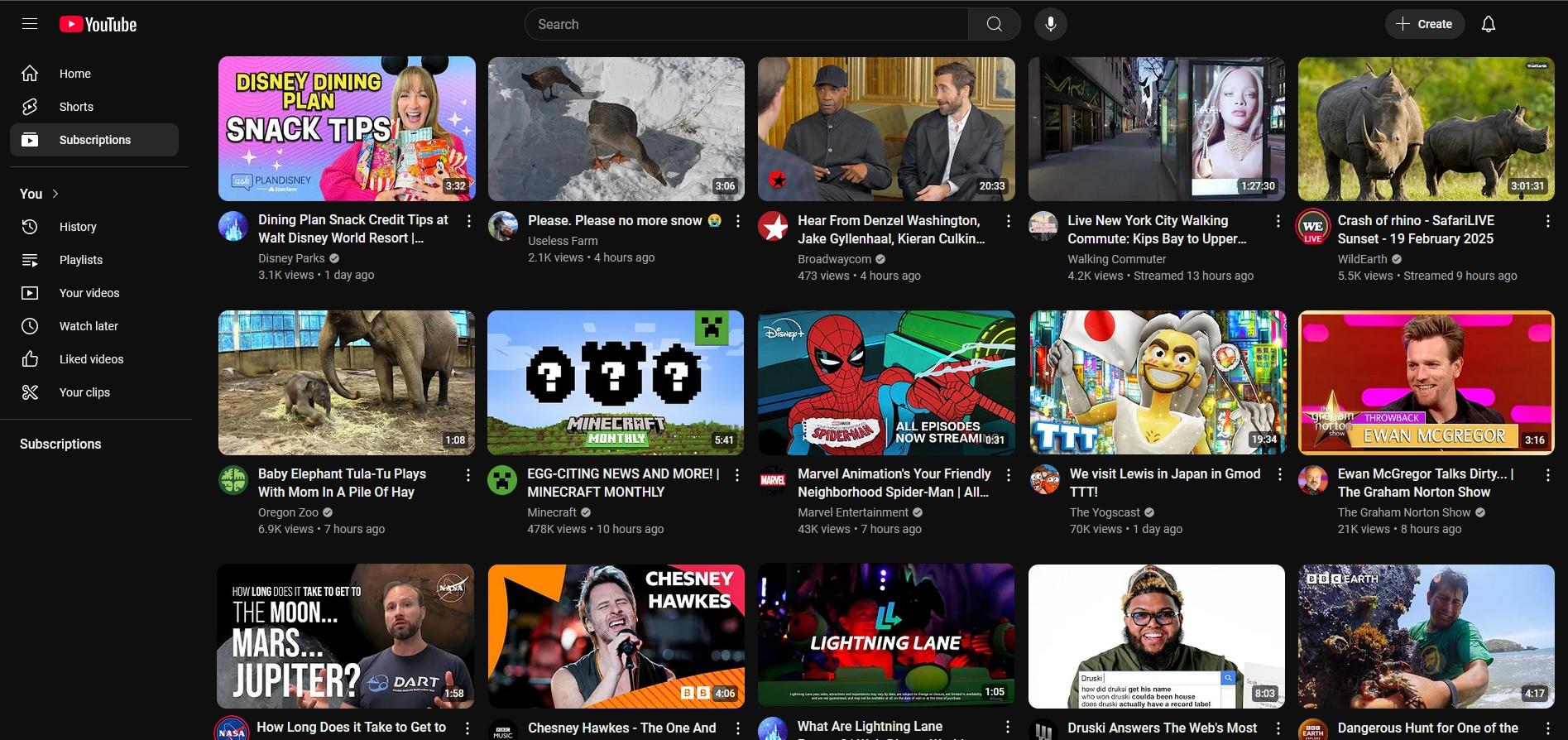 Recommendation engines
 Online shopping
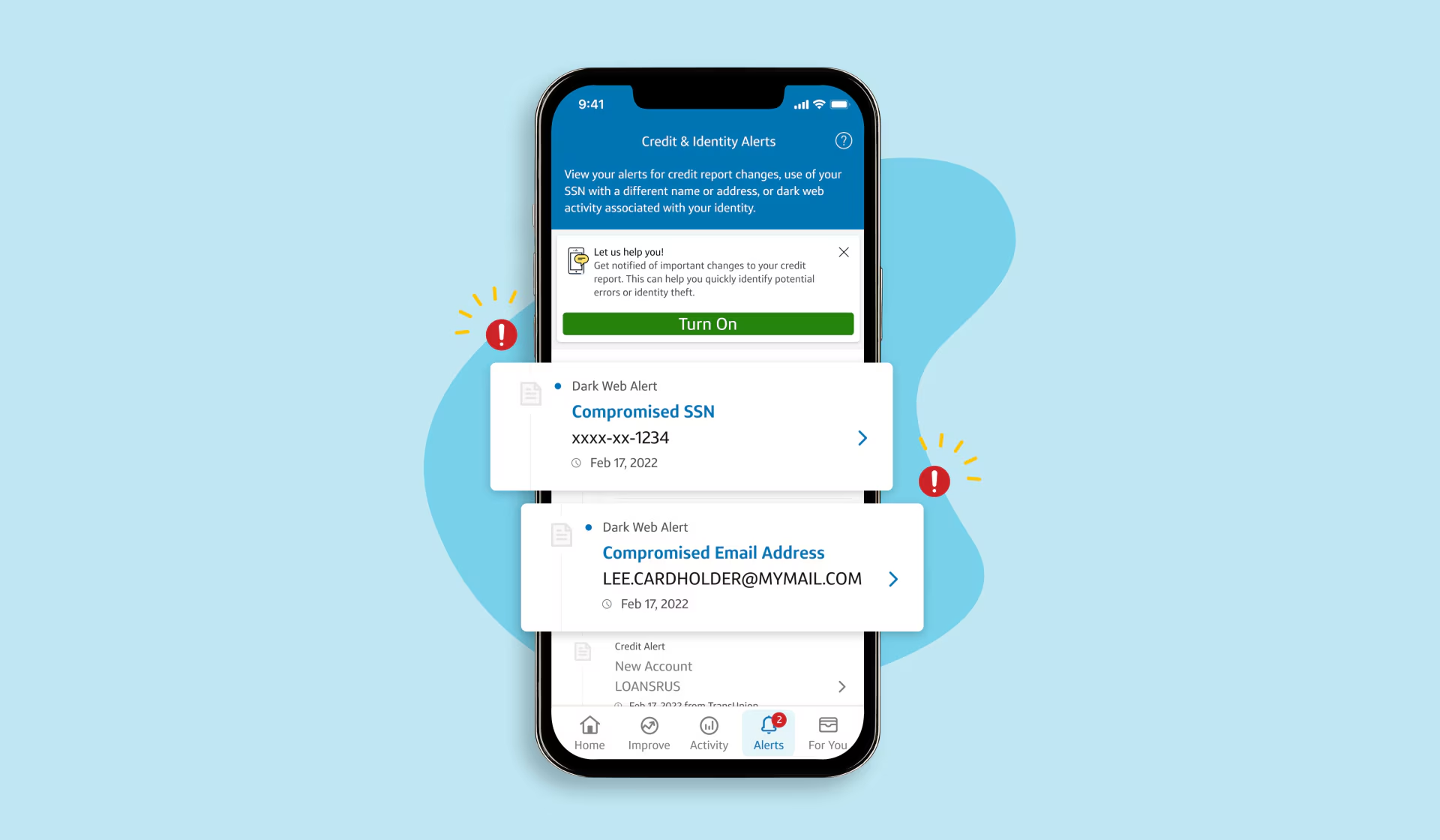 Fraud detection and credit scoring
 Smart appliances
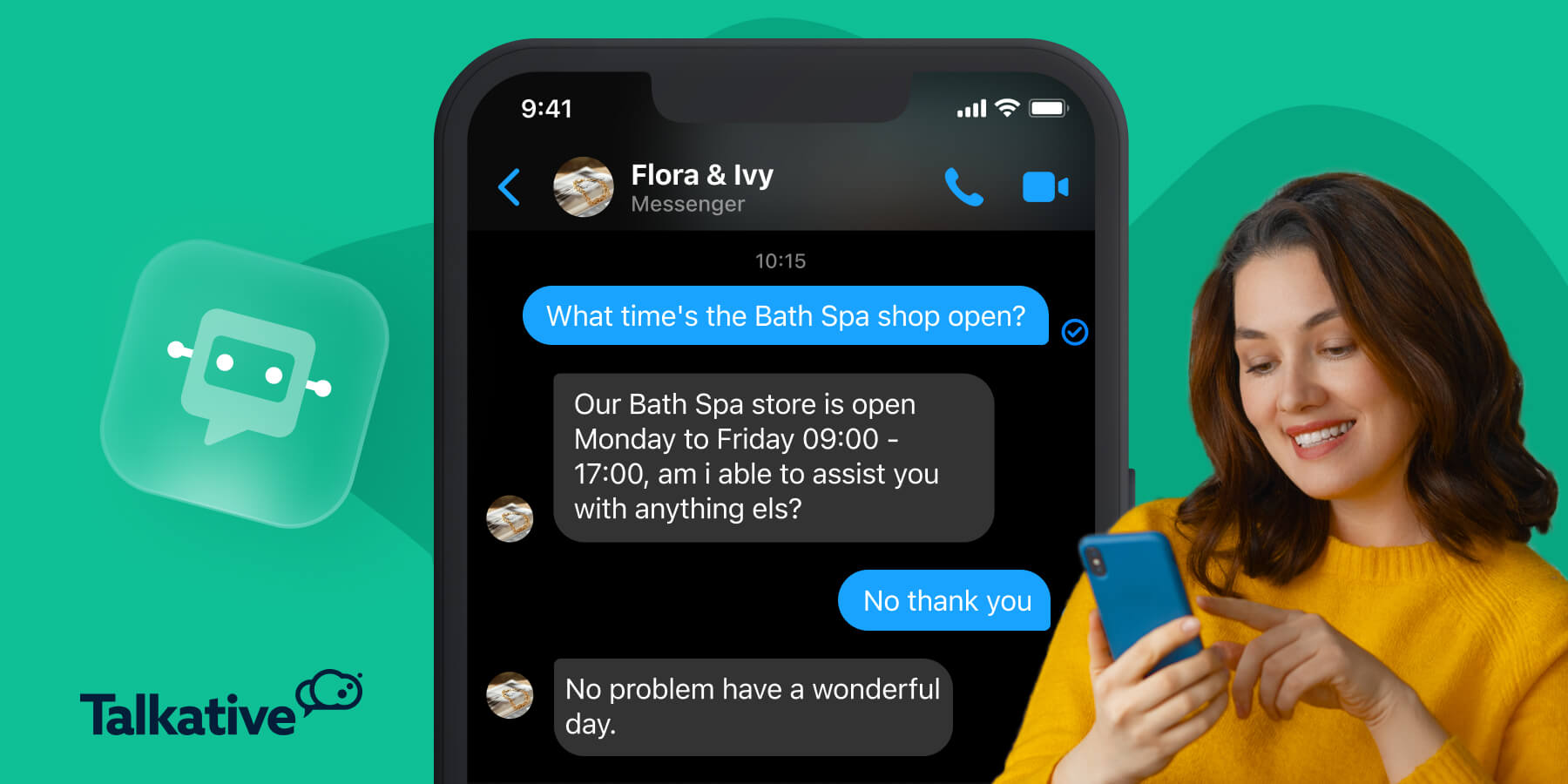 Customer service chatbots
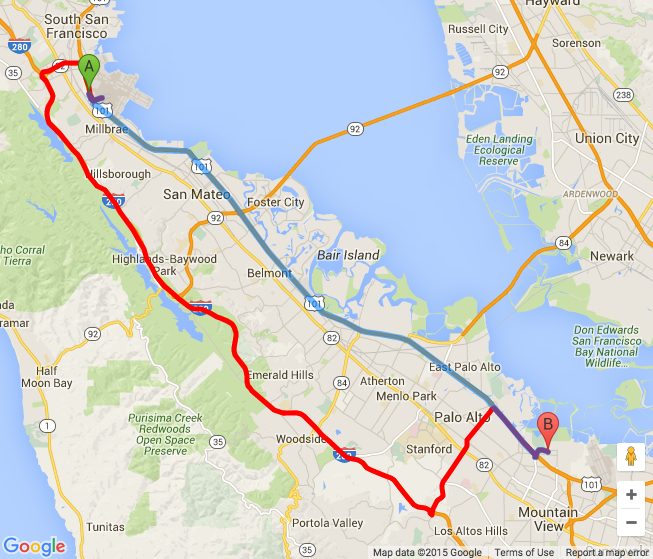 Mapping and traffic prediction
 Pricing algorithms
 Virtual assistants
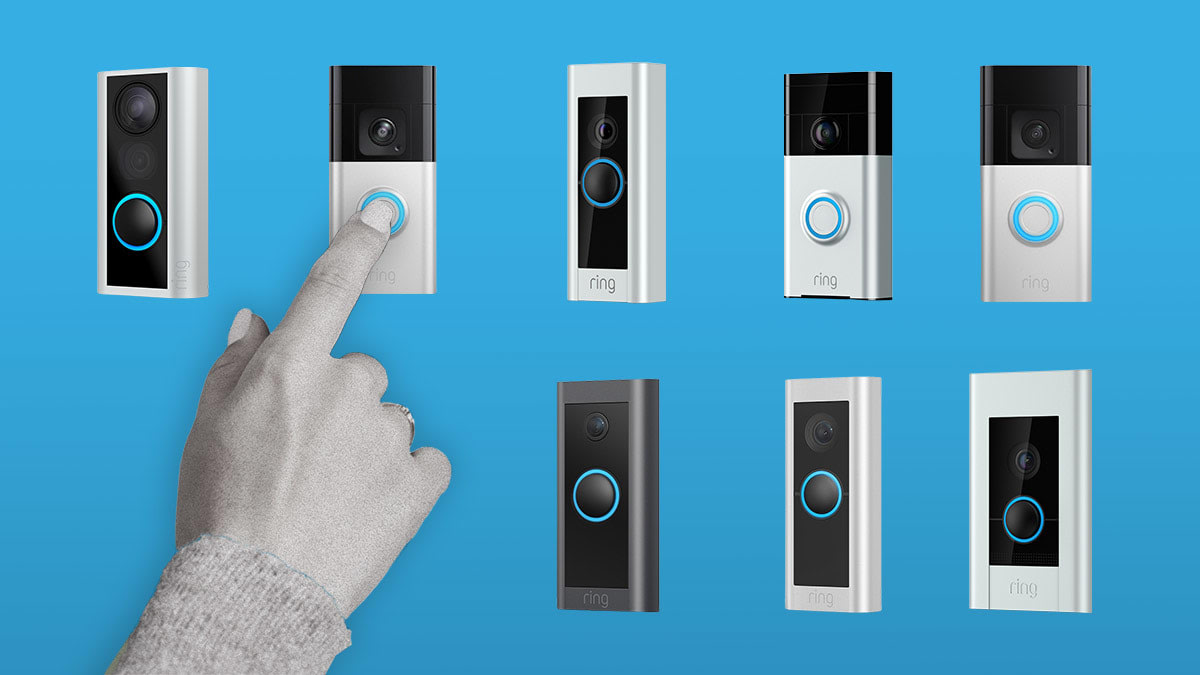 Security cameras and motion detectors
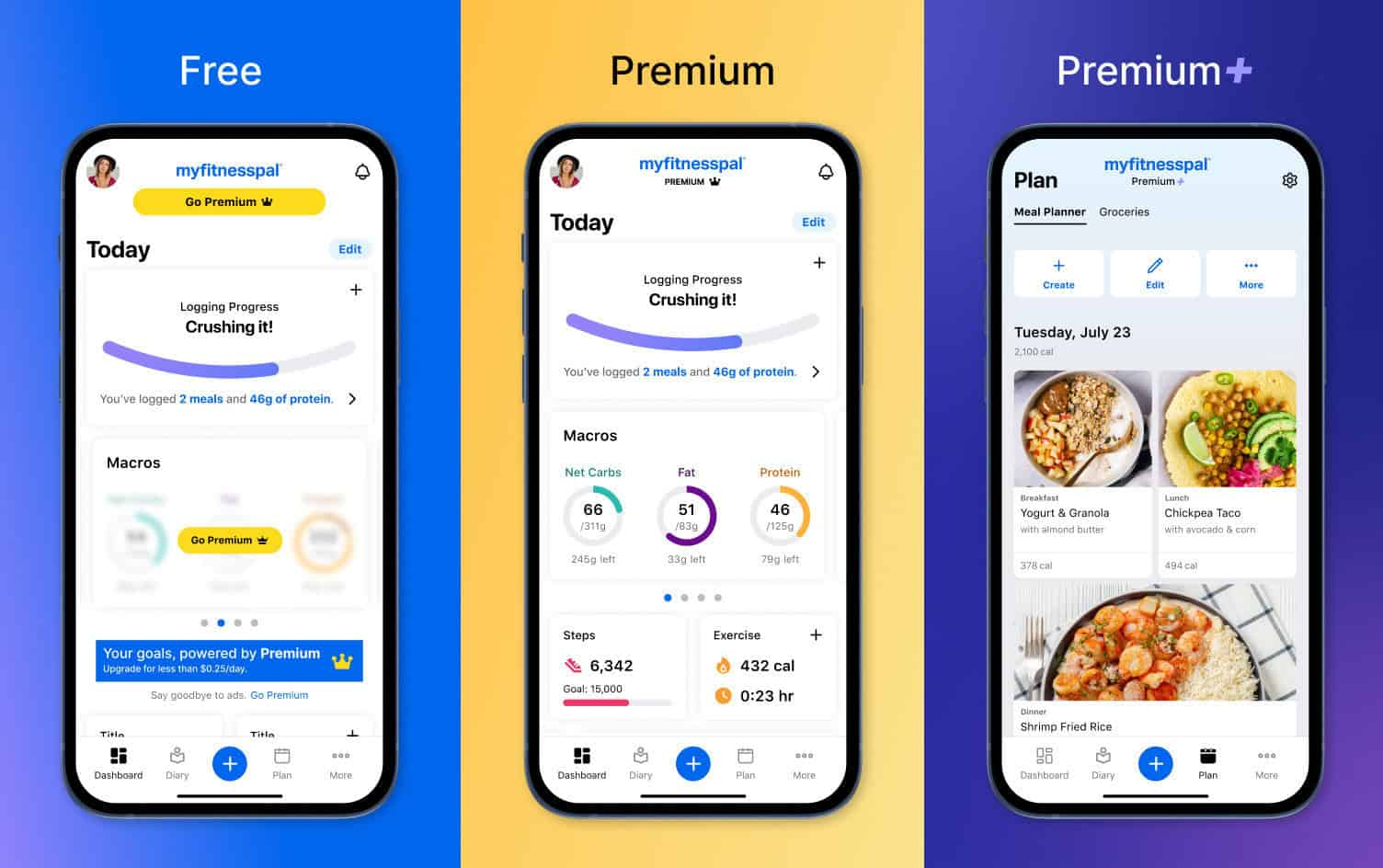 Weight loss apps
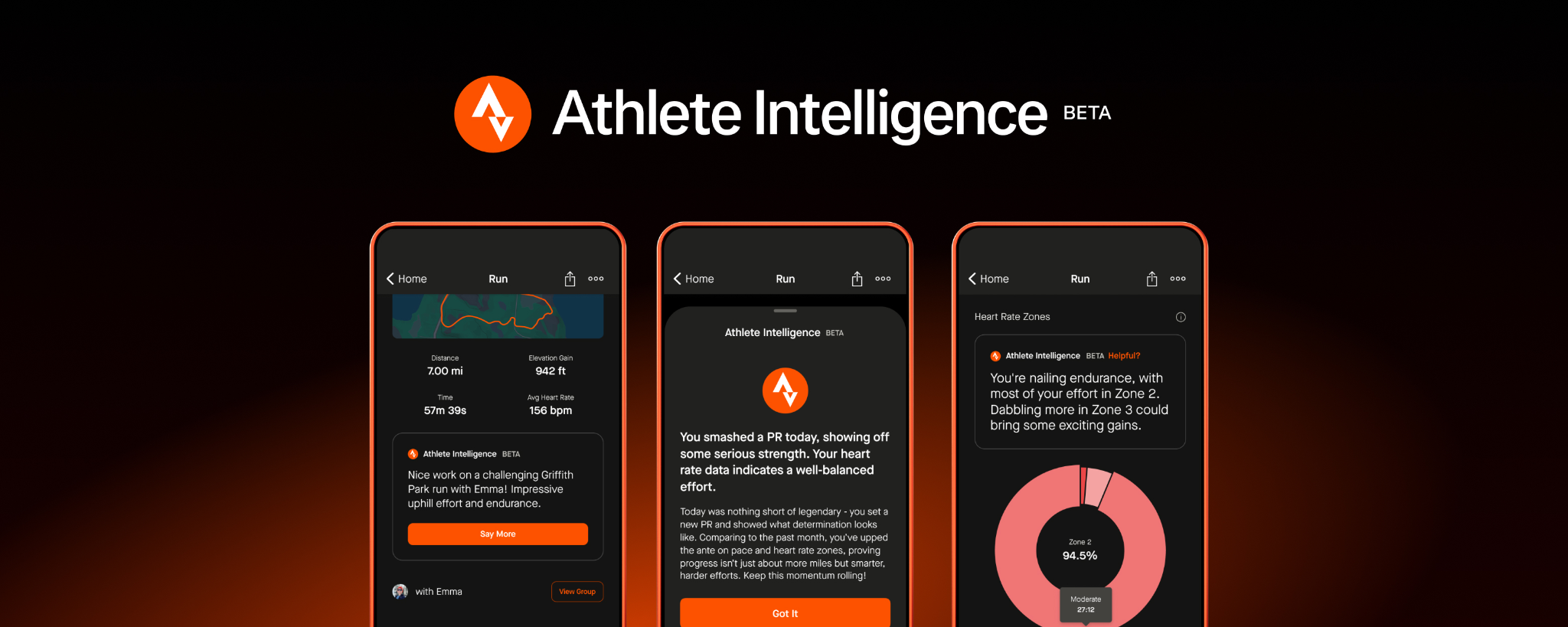 Fitness apps
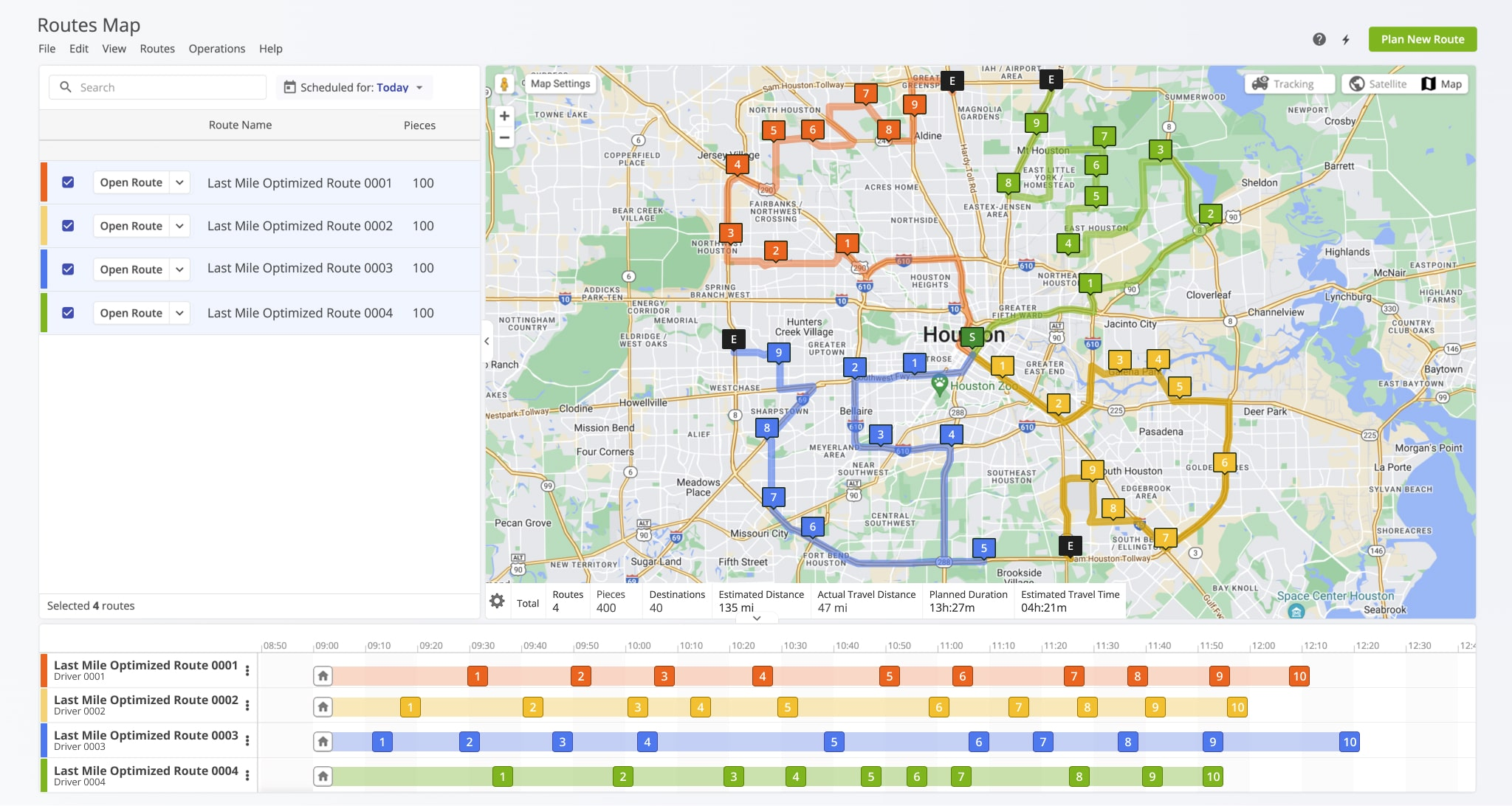 Shipping and logistics
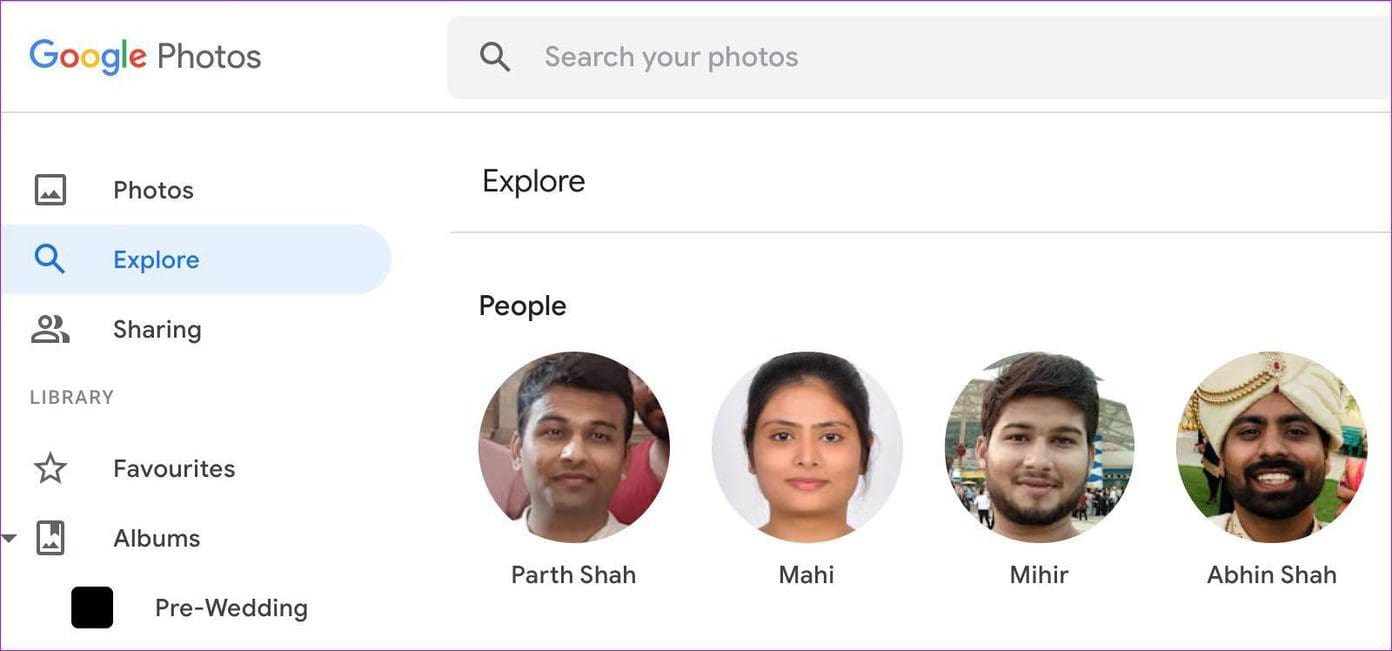 Facial recognition
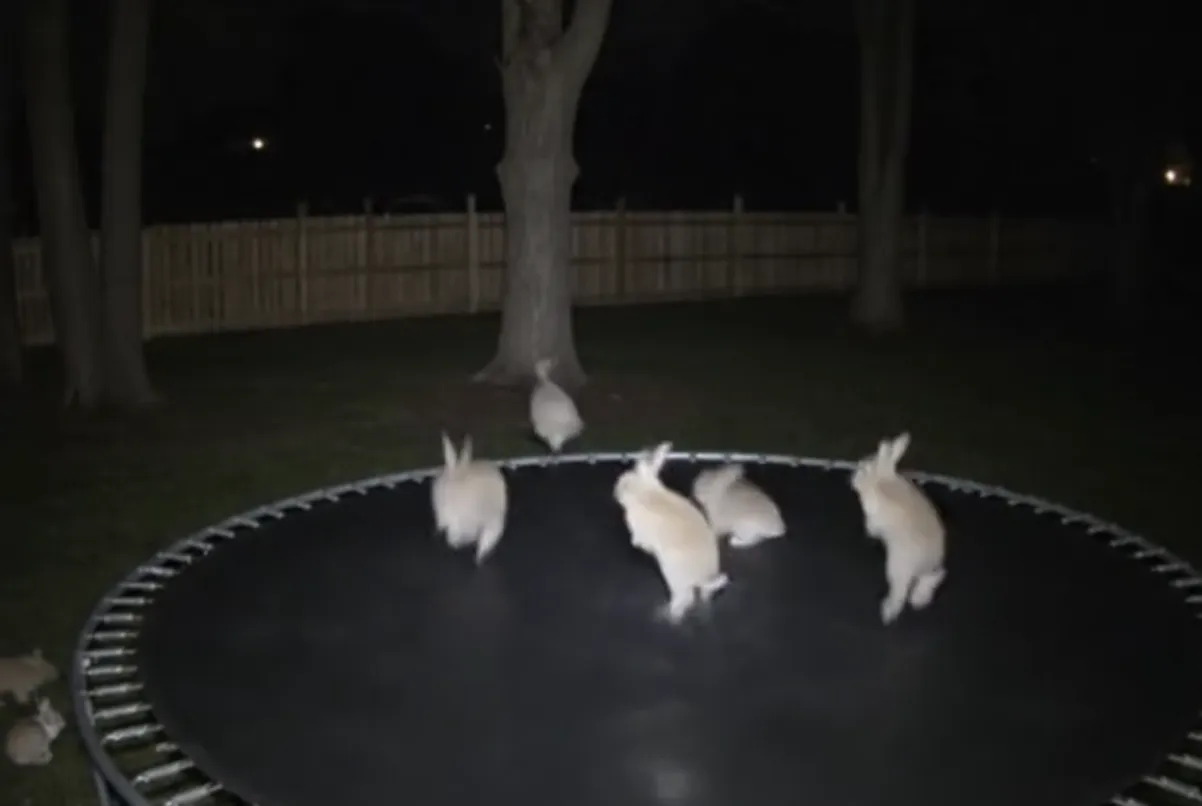 Deepfakes and misinformation
Activities
Dream Playlist
In this activity, we made playlists to explore what it means to be a “data subject” and explored how Spotify uses AI to track our actions and shape our tastes using recommendation engines.
Brochures from the Future
In this activity, we made brochures that consider informed consent around the use of clinical AI scribes in healthcare and therapy settings. AI scribes are tools that generate medical notes from real-time conversations that raise questions about privacy, consent, and accuracy.
Research and Consent
Participants filled out a consent cards to decide how their work, likeness, and stories would be shared. Participants could change their consent at any time during the workshop, step out of frame during photos or recordings, or withdraw their contributions. Workshop materials (including creative works, photos, and researcher notes) will be shared at academic conferences and in publications. These outputs are stored securely.